CBD cosmetics
CBD has moved far beyond oils and vapes. Today, one of the fastest-growing corners of the hemp market is topical care: creams, balms, serums, bath soaks and even lip balms infused with cannabidiol. If you are new to the world of CBD cosmetics, the shelves can feel confusing. Labels mention full-spectrum, broad-spectrum, isolate, hemp seed oil and nano-emulsified CBD, often all at once. This page brings clarity to what these products actually are, how they work on the skin, and how to choose them wisely.
One thing should be said upfront: CBD cosmetics do not get you high. Unlike THC, cannabidiol is non-psychoactive, and when applied to the skin it works locally rather than circulating through the whole body in significant amounts. That makes CBD cosmetics an appealing option for people curious about hemp who want to avoid any intoxicating effect.
What Exactly Are CBD Cosmetics?
CBD cosmetics are skincare and personal care products that contain cannabidiol as an active or supporting ingredient. The CBD is usually extracted from industrial hemp, which naturally contains high levels of CBD and only trace amounts of THC. Depending on the formulation, the extract used can vary significantly:
- CBD isolate: pure cannabidiol, with no other hemp compounds. It offers precision but none of the potential synergy of the whole plant.
- Broad-spectrum extract: CBD plus other minor cannabinoids, terpenes and flavonoids, with THC removed.
- Full-spectrum extract: the whole hemp extract, including legally permitted traces of THC (typically under 0.3% or 0.2% depending on the regulation in force).
It is also important to distinguish CBD from hemp seed oil. Hemp seed oil is pressed from the seeds and contains no meaningful CBD at all. It is an excellent emollient rich in omega fatty acids, and many products combine it with CBD extract, but a bottle that lists only hemp seed oil will not deliver cannabidiol to your skin.
How Does CBD Work When Applied to the Skin?
Your skin has its own endocannabinoid system, a network of receptors involved in regulating inflammation, oil production, cell turnover and barrier function. CBD interacts with this system indirectly, which is why researchers have been studying its potential in dermatology for years.
Topical CBD is believed to offer three main properties relevant to skincare:
- Soothing action: CBD has been studied for its potential to calm visible redness and irritation, making it a candidate ingredient for reactive or stressed skin.
- Antioxidant support: like vitamins C and E, cannabidiol may help neutralise free radicals generated by UV exposure and pollution.
- Sebum regulation: early research suggests CBD may influence the activity of sebaceous glands, which has sparked interest in its use for blemish-prone skin.
A helpful analogy: think of CBD in cosmetics as a calming team member in your skincare routine. It will not do all the work alone, but it can support ingredients like niacinamide, hyaluronic acid or ceramides by helping the skin stay balanced.
Which Skin Concerns Can CBD Cosmetics Address?
CBD is not a medicine, and reputable brands avoid making medical claims. That said, consumers commonly turn to CBD cosmetics for the following everyday concerns:
- Dryness and tightness: balms and creams combine CBD with occlusive and emollient ingredients to lock in moisture.
- Visible redness and sensitivity: soothing serums and masks formulated with CBD are popular among people with skin that reacts easily to weather or new products.
- Muscle and body care: CBD balms and massage oils are frequently used after exercise, often alongside cooling ingredients like menthol.
- Scalp comfort: CBD-infused shampoos and scalp serums target itchiness and flaking.
- Blemish-prone skin: lightweight gels and cleansers pair CBD with salicylic acid or tea tree oil.
Consider a realistic example: someone who trains outdoors several times a week may use a CBD recovery balm on their knees and shoulders after workouts, and a lighter CBD moisturiser in the morning to counter the drying effect of cold air. The goal is comfort and balance, not treatment of any medical condition.
The Different Types of CBD Cosmetics
Face care
Face products include serums, moisturisers, masks and eye creams. Serums typically use nano-emulsified CBD, a technology that breaks cannabidiol into microscopic droplets so it mixes better with the water-based formula and absorbs more easily. Creams tend to favour fat-soluble CBD dissolved in oils and butters.
Body care
Body lotions, balms, bath bombs and salt soaks are designed for larger areas. A CBD bath soak, for instance, combines cannabidiol with Epsom salts and essential oils for a full-body wind-down ritual.
Targeted products
Lip balms, hand creams, foot balms and scalp treatments address specific zones. These are often the easiest entry point for beginners, since they are affordable and the immediate comfort effect is easy to feel.
How to Read a CBD Cosmetic Label
Because the market is young and regulations are still evolving, label literacy is your best protection. Here is a practical checklist to run through before buying:
- Check the CBD content: it should be stated in milligrams (for example 250 mg or 500 mg per container). Vague terms like “infused with hemp” without a figure are a red flag.
- Identify the extract type: isolate, broad-spectrum or full-spectrum should be clearly stated.
- Look for third-party testing: serious brands publish a certificate of analysis (COA) from an independent laboratory confirming the CBD content and the absence of contaminants.
- Review the full ingredient list: CBD works best in a well-formulated product. Look for complementary actives rather than a long list of fillers.
- Verify the packaging: CBD degrades with light and air, so opaque or UV-protective packaging is a good quality indicator.
If a brand cannot produce a lab report on request, it is best to move on, no matter how attractive the marketing is.
Common Questions About CBD Cosmetics
Will CBD cosmetics show up on a drug test?
Topical products are applied locally and are not designed to enter the bloodstream in significant quantities. Full-spectrum products contain trace THC, which is a consideration mainly for frequent, large-area use. If drug testing is a concern for you, choose broad-spectrum or isolate-based cosmetics and consult your employer’s policy or a healthcare professional.
Can I use CBD cosmetics alongside my usual skincare?
Yes. CBD cosmetics layer like any other product. A simple order works well: cleanse, apply water-based treatments, then your CBD cream or serum, and finish with sunscreen in the morning. As with any new product, patch-test first on a small area for a couple of days.
Are they legal?
In most regions, cosmetics derived from hemp CBD with negligible THC are legal, though rules vary from one country to another and continue to evolve. Reputable brands formulate to comply with the regulation in force in each market they sell to.
Do they smell like cannabis?
Not necessarily. Refined CBD isolate is odourless, and broad- or full-spectrum extracts carry only mild earthy notes that are usually masked by essential oils and fragrance. If you prefer a neutral scent, look for fragrance-free isolate formulas.
How to Build a Simple CBD Skincare Routine
You do not need to replace your entire cabinet. A gradual approach works best:
- Start with one product: a body balm or hand cream is a low-risk way to test how your skin responds.
- Observe for two to three weeks: skin cell renewal takes time, so consistency matters more than quantity.
- Add complementary formats: once comfortable, introduce a facial serum or a bath soak depending on your needs.
- Adjust seasonally: richer balms suit cold, dry months, while lightweight gels work better in humid weather.
Pairing CBD cosmetics with healthy habits amplifies the results: gentle cleansing, daily sun protection, adequate hydration and enough sleep all contribute to the calm, balanced complexion these products aim to support.
Key Takeaways
- CBD cosmetics are skincare products infused with non-psychoactive cannabidiol, usually sourced from hemp.
- Their appeal lies in potential soothing, antioxidant and balancing properties for the skin.
- Hemp seed oil is not CBD; check that cannabidiol is explicitly listed with a milligram count.
- Third-party lab testing is the single most important quality signal to look for.
- Consistency and sensible expectations matter: these are comfort and care products, not medical treatments.
CBD cosmetics sit at the intersection of two trends: the growing interest in hemp-derived wellness and the demand for gentler, plant-forward skincare. Approached with a bit of label knowledge and realistic expectations, they can earn a legitimate place in a modern routine, right alongside your favourite serums and balms.
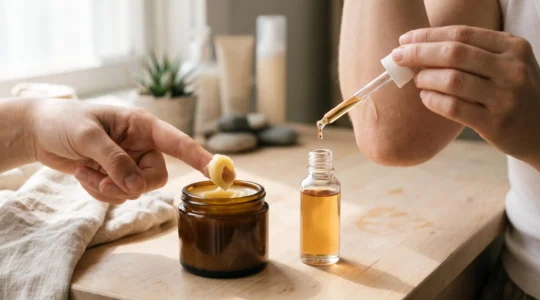
Which Specialised CBD Topical Blend Best Fits Different Skincare Needs?
A CBD topical blend is more than cannabidiol mixed into a moisturiser. Its cannabinoid extract, botanical ingredients and delivery base work together to determine how it spreads, feels, remains on the skin and fits into a skincare routine. A rich…
Read more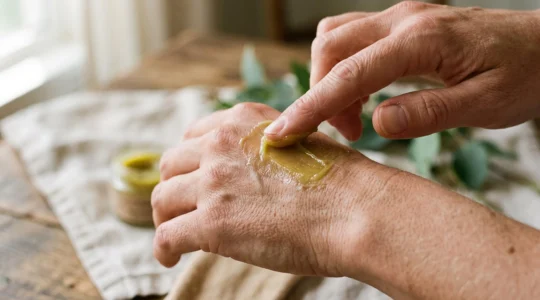
How Does the Stratum Corneum Limit the Penetration of CBD Topicals?
The stratum corneum is the outermost layer of the epidermis and the main permeability barrier encountered by a CBD topical. Its tightly organised cells and surrounding lipids restrict how readily cannabidiol moves from a cream, serum or balm into deeper…
Read more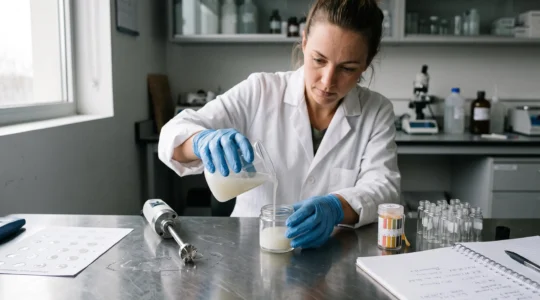
How Does Nano-Emulsion Technology Change the Design of CBD Topicals?
CBD dissolves readily in oils but poorly in water. This creates a formulation challenge for skincare products intended to feel light, spread evenly and remain physically stable. Nano-emulsion technology addresses that challenge by distributing CBD-containing oil into extremely small droplets,…
Read more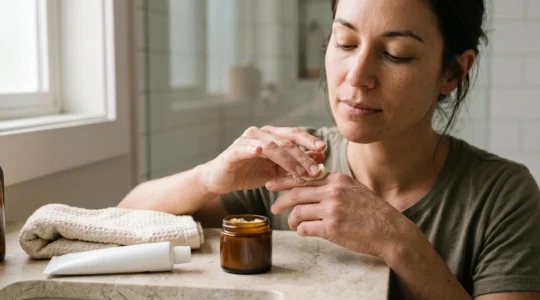
Why Is the Skin Barrier So Important in CBD Topical Formulation?
The skin barrier determines two essential aspects of topical skincare: how effectively skin retains moisture and how readily externally applied ingredients can enter its outer layers. For CBD cosmetics, this protective boundary is especially important because cannabidiol interacts with the…
Read more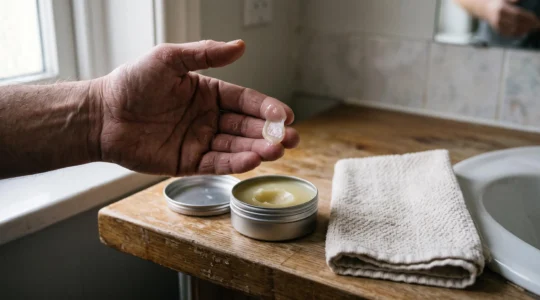
How Can a Rich CBD Balm Create a Protective Barrier on Dry Skin?
A rich CBD balm protects dry skin primarily through its texture and supporting ingredients, not through cannabidiol alone. Waxes, oils, and other occlusive components form a thin surface film that helps limit moisture evaporation and reduces direct contact with everyday…
Read more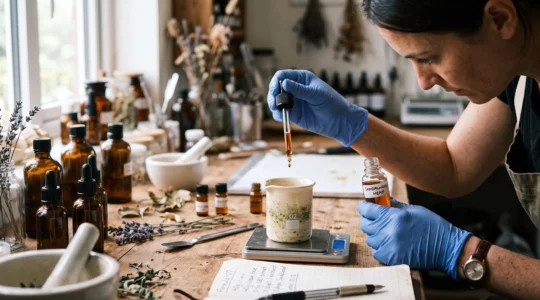
What Role Do Essential Oils Play in CBD Creams, Balms and Serums?
Essential oils can transform a CBD cream, balm or serum from a relatively neutral skincare product into a distinctly aromatic formulation. Lavender, peppermint, eucalyptus and other botanical oils contribute volatile fragrance compounds that influence how a product smells during application…
Read more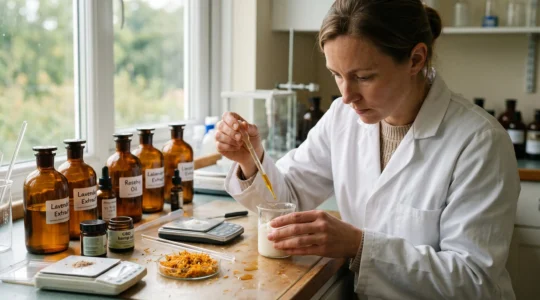
How Do Active Plant Extracts Fit into Modern CBD Topical Formulations?
Active plant extracts fit into modern CBD topical formulations as complementary ingredients within a carefully designed cosmetic base. They may contribute antioxidant compounds, skin-conditioning properties, fragrance or sensory characteristics, depending on their botanical origin, extraction method and concentration. Their usefulness,…
Read more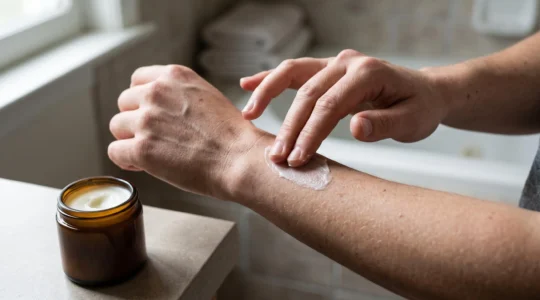
When Does Systemic Circulation Matter in the Design of CBD Delivery Formats?
A CBD cream can penetrate the skin without delivering enough cannabidiol into the bloodstream to produce meaningful whole-body exposure. That distinction matters when comparing topical products with swallowed oils, capsules, inhaled formulations and specialised transdermal systems. Systemic circulation refers to…
Read more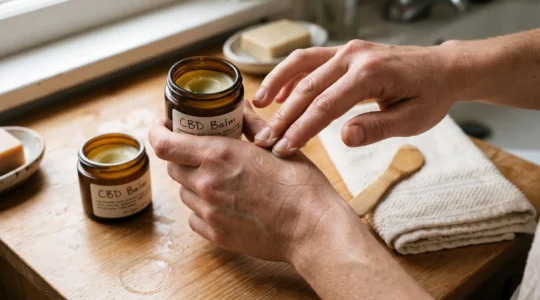
How Do Localized Epidermal Pathways Shape the Use of CBD Topicals?
A CBD cream applied to one patch of skin does not automatically distribute cannabidiol throughout the body. Its first point of contact is the skin’s outer barrier, which controls how much CBD can move into deeper layers. The resulting exposure…
Read more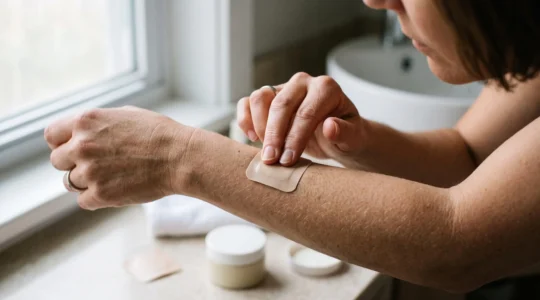
How Do Transdermal CBD Formulations Differ from Conventional Topical Products?
Two CBD products can contain the same cannabinoid, be applied to the same area of skin and still be designed for fundamentally different purposes. A conventional CBD topical generally prioritizes application to the skin and local effects. A transdermal formulation…
Read more